Heat Stress in Industrial Workspaces: A Growing Operational Risk
The Reality of High-Heat Industrial Workspaces
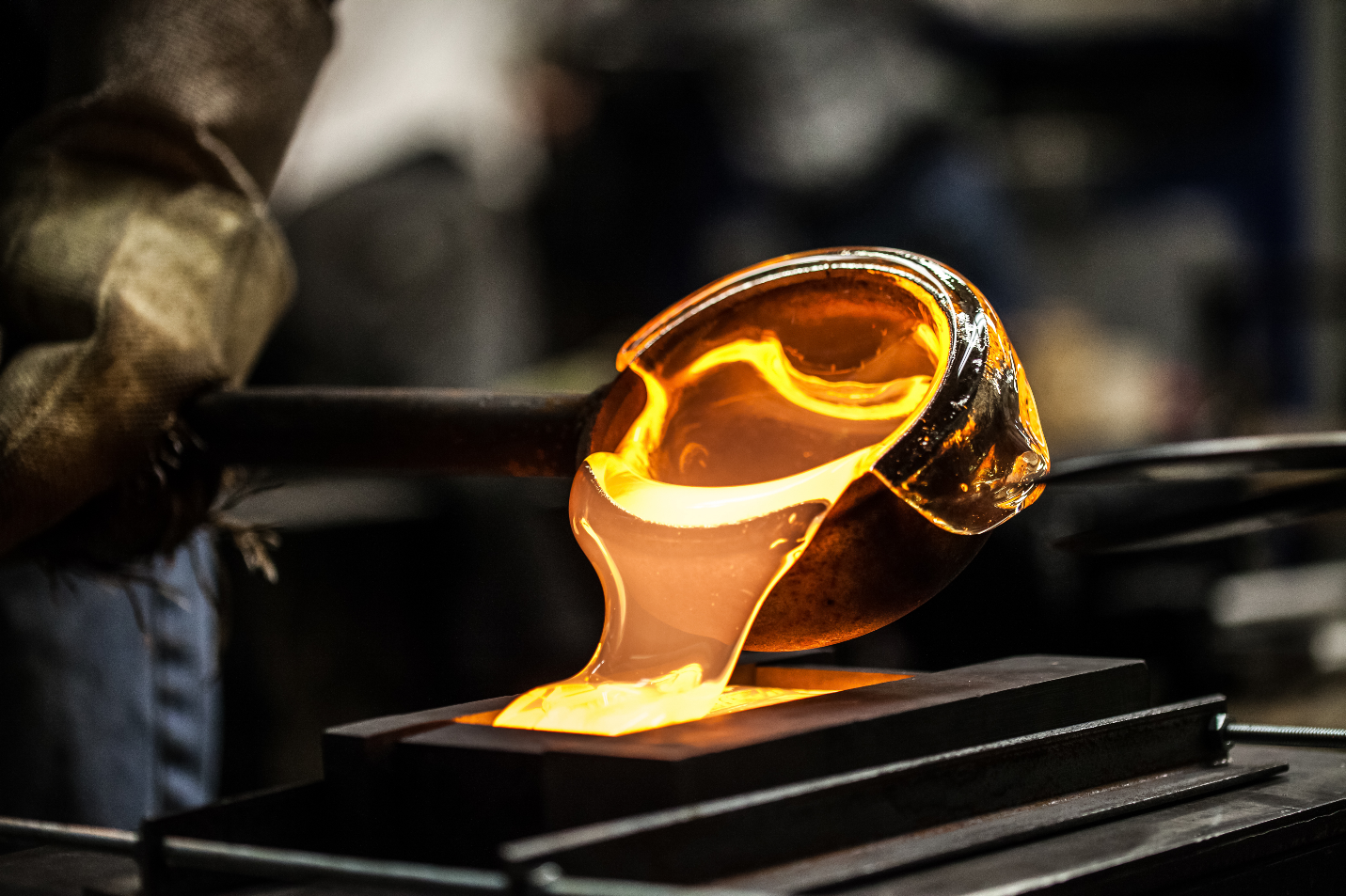
In automotive plants, foundries, and engineering facilities, heat is not an occasional challenge—it is an inherent part of operations. Processes such as forging, casting, welding, and machining continuously generate internal heat, which intensifies further during peak summer months.
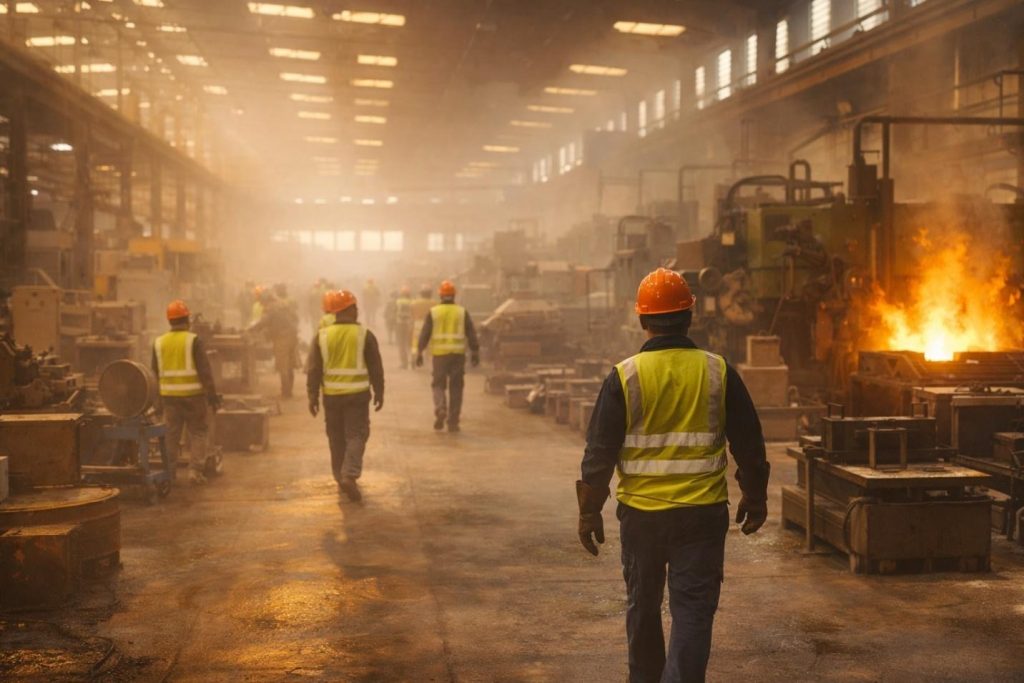
When ambient temperatures rise beyond 45°C, and in some regions approach 50°C, the indoor environment becomes significantly harsher. Large shop floors, high ceilings, and open structures allow heat to accumulate rather than dissipate efficiently. As a result, the working environment becomes increasingly difficult to sustain over long shifts.
This makes it essential for industries to adopt effective industrial cooling solutions that can manage heat across large spaces. This is not merely an issue of discomfort. It is a structural operational concern that directly influences performance.
Heat is Not Just an Environmental Issue
In industrial settings, heat should not be viewed as a seasonal inconvenience. It is a factor that directly affects workforce efficiency, process stability, and overall plant output.
Global health and occupational studies indicate that the human body begins to experience thermal stress when exposed to elevated temperatures for prolonged periods. The World Health Organization recommends controlled indoor conditions, yet industrial environments frequently exceed these thresholds.
This is where structured industrial cooling solutions become critical for maintaining stable working conditions.
When the body is unable to regulate internal temperature effectively, it leads to fatigue, reduced alertness, and slower physical response. In environments where precision and consistency are critical, even small declines in human performance can have measurable consequences.
Impact on Workforce Performance
The effect of heat on workers is both immediate and cumulative. As temperatures rise, the body diverts energy towards cooling itself, which reduces the energy available for physical and cognitive tasks.
Workers operating in high-heat environments often experience increased fatigue, dehydration, and reduced concentration. Over time, this results in slower task execution, higher error rates, and reduced overall efficiency.
Studies have shown that even marginal increases in temperature can lead to a noticeable decline in productivity. In labour-intensive industries, where output depends heavily on human performance, this impact becomes even more pronounced.
Workplace Safety Under Heat Stress
Beyond productivity, heat introduces serious safety risks on the shop floor. When the human body is under thermal stress, decision-making ability declines and reaction times slow down.
In high-risk industrial environments—where workers operate heavy machinery, handle molten materials, or perform precision tasks—this becomes critical. Even a minor lapse in attention can lead to accidents.
Heat stress is associated with:
- Increased risk of workplace incidents
- Reduced coordination and delayed responses
- Higher chances of heat exhaustion and heatstroke
In extreme cases, prolonged exposure to high temperatures can lead to medical emergencies, impacting not only the individual worker but also overall plant operations.
From a management perspective, this is not just a health concern—it is a liability and compliance issue.
The Hidden Cost of Heat in Production
One of the most significant challenges in industrial environments is that heat-related losses are rarely quantified. Unlike equipment failures, these losses do not appear immediately in reports, yet they affect daily operations.
A slight delay in task completion, minor inconsistencies in output, or increased worker fatigue during peak hours may seem negligible in isolation. However, when these factors persist across shifts and over extended periods, they lead to substantial productivity loss.
This results in the form of reduced output, higher rejection rates, and missed production timelines. Over time, the financial implications of these inefficiencies become significant.
Impact on Machinery and Process Stability
Heat does not only influence human performance; it also affects machinery and process stability. In automotive and engineering environments, equipment is often exposed to high thermal loads, which can impact performance and longevity.
Excessive heat can lead to overheating of machines, increased wear and tear, and more frequent maintenance requirements. In precision-driven processes, even slight temperature variations can affect tolerances, leading to inconsistencies in product quality.
This creates a dual challenge—maintaining both human efficiency and machine performance under extreme conditions.
Workforce Stability and Operational Continuity
Sustaining workforce efficiency in high-heat environments is increasingly becoming a challenge for industrial operations. Workers are less inclined to operate in uncomfortable conditions for extended durations, especially during peak summer months.
This often leads to increased absenteeism, reduced shift productivity, and challenges in workforce retention. For industries that rely heavily on manual operations, this creates additional pressure on production planning and human resource management.
Limitations of Conventional Cooling Approaches
Traditional cooling methods are often inadequate for large industrial spaces. Air conditioning systems, while effective in enclosed environments, become impractical due to the scale and openness of factory floors.
Localized cooling solutions, on the other hand, fail to provide uniform conditions across the workspace, creating isolated zones rather than solving the overall problem.
This gap has led industries to explore alternatives such as evaporative cooler-based industrial cooling solutions, which are more suitable for large, open environments.
How Industrial Cooling Solutions Are Evolving
Industrial environments today require cooling systems that go beyond localized comfort. Modern industrial cooling solutions, especially evaporative coolers, are designed to handle large volumes of air, ensuring consistent airflow across expansive shop floors.
Unlike conventional systems, these solutions focus on heat dilution, air movement, and large-area coverage, making them highly effective for high-temperature environments such as automotive plants and foundries.
Rethinking Cooling for Industrial Environments
Industrial cooling requires a fundamentally different approach—one that focuses on air circulation, heat dilution, and large-area coverage.
By continuously moving large volumes of fresh air through the workspace, it is possible to reduce heat accumulation and maintain more stable indoor conditions. This approach improves both thermal comfort and air quality.
Such systems are designed to perform effectively in open and semi-open environments, making them more suitable for industrial cooling applications.
Cooling as a Strategic Operational Investment
Cooling should not be considered merely as an auxiliary utility. It should be viewed as a strategic investment that directly supports productivity and operational efficiency.
A well-regulated environment enables workers to perform more consistently, reduces fatigue, and improves focus. It also supports better machine performance by minimizing thermal stress.
Collectively, these factors contribute to improved output quality, reduced downtime, and more predictable production cycles.
A Practical Approach for High-Heat Industrial Workspaces
Modern air-cooling solutions designed for industrial environments offer a practical balance between performance and efficiency. These systems focus on delivering high air volume and maintaining consistent airflow across large areas.

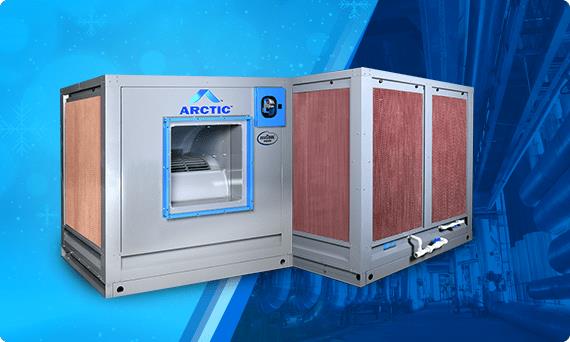
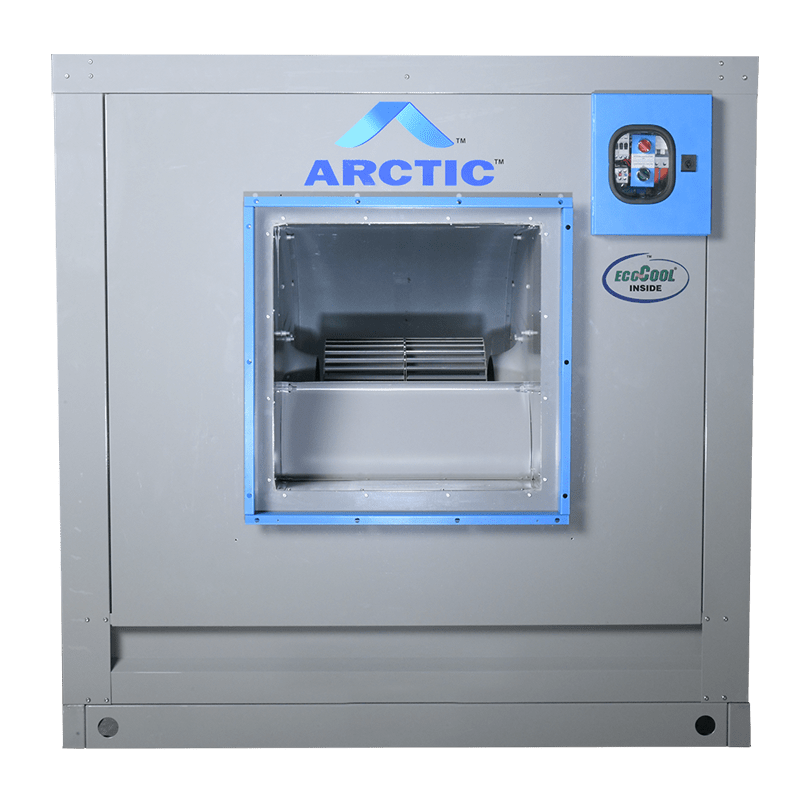
Solutions such as Arctic air coolers are engineered specifically for high-heat industrial workspaces, where conventional systems struggle to perform effectively.
By enabling large-area airflow, reducing heat accumulation, and operating with lower energy requirements, they provide a scalable and practical cooling approach for automotive and engineering facilities.
This allows industries to improve working conditions while maintaining control over operational costs.
Conclusion: Heat is a Business Risk
Heat is no longer just an environmental factor—it is a business risk that affects productivity, workforce stability, safety, and operational efficiency.
Organizations that proactively address this challenge will be better positioned to maintain consistent performance, even under extreme conditions.
Because in high-heat industrial workspaces, controlling temperature is not just about comfort—it is about sustaining performance, ensuring safety, and protecting productivity.
Frequently Asked Questions
1. How does high temperature affect worker productivity in industrial environments?
High temperatures reduce physical and cognitive performance. Workers experience fatigue, slower response time, and reduced concentration, leading to lower output and higher error rates.
2. What is heat stress and how does it impact workplace safety?
Heat stress occurs when the body cannot regulate its temperature effectively. It increases the risk of dehydration, fatigue, and impaired decision-making, which can lead to workplace accidents, especially in high-risk industrial environments.
3. Why is air conditioning not suitable for large factory floors?
Air conditioning systems are energy-intensive and inefficient for large, open industrial spaces. High ceilings, continuous heat generation, and open structures reduce their effectiveness and increase operational costs.
4. What is the most effective way to cool large industrial spaces?
The most effective approach involves high-volume air circulation and heat dilution using industrial cooling solutions such as evaporative coolers.
5. How do industrial air coolers improve workplace conditions?
These evaporative cooler-based industrial cooling solutions enhance airflow, reduce heat accumulation, and improve overall air quality.
6. Can cooling systems impact machine performance in factories?
Yes, excessive heat can affect machine efficiency and increase maintenance needs. Stable ambient conditions help maintain process consistency and reduce equipment stress.
7. What factors should be considered before selecting an industrial cooling system?
Key factors include workspace size, heat load, ventilation design, airflow requirements, and long-term energy consumption.
8. Are industrial air coolers energy-efficient compared to HVAC systems?
Yes, industrial air coolers generally consume significantly less energy than HVAC systems, making them more cost-effective for large industrial environments.
9. How can industries manage heat without increasing carbon emissions?
By adopting energy-efficient cooling solutions that rely on airflow and evaporative cooling rather than refrigeration-based systems, industries can reduce both energy use and emissions.