Classroom Cooling Solutions for Heatwaves: Why Schools Must Act Now
Across regions such as India and the Middle East, heatwaves are no longer rare disruptions—they are becoming a defining feature of the climate. With temperatures frequently crossing 45°C, educational institutions are being pushed to confront a difficult but urgent question: how can classrooms remain safe, comfortable, and conducive to learning in such extreme conditions?
While much of the discussion around heat focuses on outdoor exposure, the real challenge is increasingly unfolding indoors. Classrooms, lecture halls, and academic buildings are silently turning into heat traps. In this context, classroom cooling solutions for heatwaves are no longer a matter of comfort—they are essential to safeguarding student health, sustaining academic performance, and ensuring continuity in education.
Why Are Students More Vulnerable to Heat Than Adults?
Students are not simply smaller versions of adults—their bodies respond to heat differently. Higher metabolic rates cause them to generate more internal heat, yet their ability to dissipate that heat is limited. They sweat less efficiently, and their thermoregulation systems are still developing, particularly in younger children.
This physiological imbalance makes them significantly more susceptible to heat stress in classrooms, especially during long school hours. Even among older students and those in universities, prolonged exposure to high indoor temperatures leads to fatigue, reduced alertness, and diminished engagement. Over time, this directly affects how effectively students absorb and retain information.
How Do Heatwaves Impact Student Health and Learning?
Scientific research increasingly shows that rising temperatures influence far more than comfort—they directly affect both physical well-being and cognitive performance.
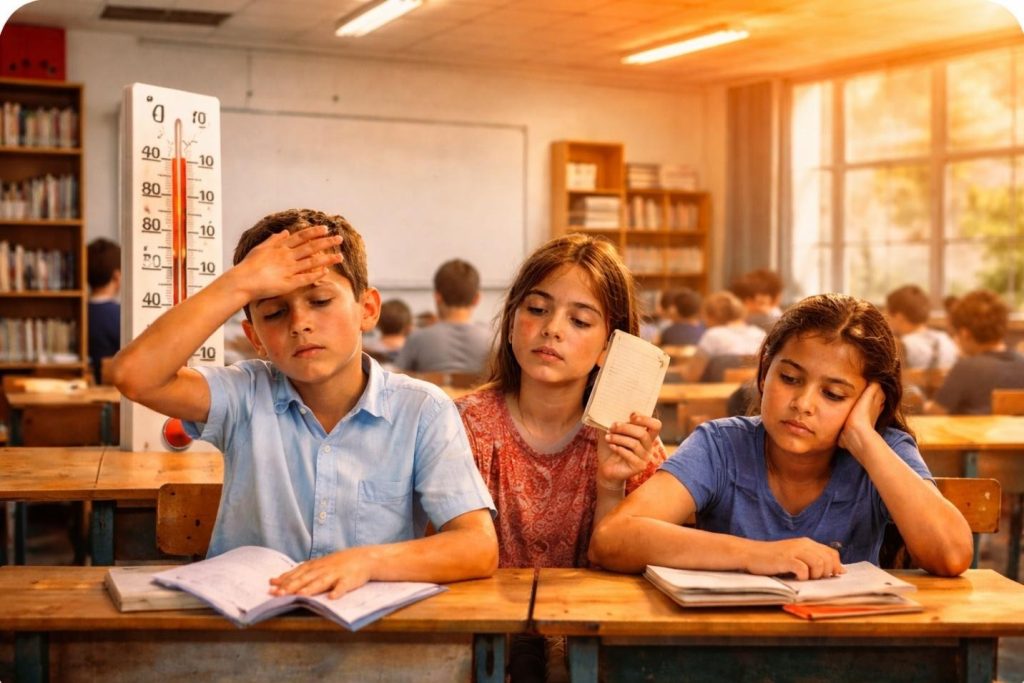
As indoor temperatures rise, students may experience discomfort, fatigue, headaches, dehydration, and reduced attention. In more severe cases, prolonged exposure to excessive heat may increase the risk of heat-related illness, particularly in poorly ventilated environments.
This means schools should avoid treating classroom heat only as a comfort issue. A hot classroom can become a barrier to attention, participation, and learning continuity.
How Classroom Heat Conditions Can Affect Students?
| Classroom Environment | Possible Impact on Students | Learning Environment Effect |
|---|---|---|
| Cooler, well-ventilated classroom | Better comfort and task performance | Supports attention and learning comfort |
| Warm classroom | Discomfort, reduced focus, fatigue | Can make sustained learning more difficult |
| Hot, poorly ventilated classroom | Higher heat-stress risk and learning disruption | May increase fatigue, discomfort, and absenteeism risk |
Research on classroom thermal conditions suggests that cooler, well-ventilated classrooms are generally associated with better comfort, attention, and learning performance.
What Are the Long-Term Implications for Education?
The consequences of heat exposure extend far beyond daily discomfort. Increasingly, global research indicates that extreme temperatures are shaping educational outcomes over time.
Heatwaves are also affecting academic calendars. In several regions, schools are forced to announce early summer breaks, extend summer vacations, change school timings, restrict outdoor activities, or temporarily suspend classes during severe heat conditions. While these steps are often necessary for student safety, they also disrupt learning schedules and put pressure on schools to complete academic portions within reduced teaching time.
UNICEF’s 2024 global snapshot reported that heatwaves were the most significant climate hazard disrupting schooling worldwide, affecting an estimated 171 million students. It also reported that April saw major heatwave-related school disruptions, affecting at least 118 million children across Bangladesh, Cambodia, India, the Philippines, and Thailand.
Why Are Classrooms Struggling to Cope with Rising Temperatures?
A fundamental part of the problem lies in infrastructure. Most educational buildings were designed based on conventional standards, without anticipating the intensity and frequency of today’s heatwaves.
As a result, classrooms often suffer from poor ventilation, inadequate insulation, and high occupant density. Heat accumulates throughout the day, and without effective airflow, it becomes trapped within the space. In many cases, discomfort begins early in the morning due to residual heat retained overnight.
Compounding this issue is the lack of dedicated thermal comfort standards specifically designed for educational environments. Institutions frequently rely on generic building guidelines that do not fully address the unique needs of students.
Are Air Conditioners the Only Answer?
Air conditioning is often the default response to rising temperatures. While it can effectively lower indoor temperatures, it introduces a new set of challenges—particularly for large educational spaces.
High energy consumption translates into increased operational costs, which can strain institutional budgets. In regions where power infrastructure is already under pressure, widespread reliance on air conditioning may not be sustainable. Additionally, higher energy usage contributes to increased carbon emissions, further intensifying the climate challenges driving heatwaves in the first place.
For classrooms, lecture halls, and auditoriums, the solution must go beyond simply lowering temperature—it must balance comfort, scalability, and efficiency.
What Are the Most Practical Classroom Cooling Solutions for Heatwaves?
As institutions rethink their approach, the focus is shifting toward solutions that can deliver effective cooling without excessive energy demand. This is where commercial evaporative cooler systems are gaining attention as a viable alternative.

Unlike conventional systems, these coolers work by circulating large volumes of fresh air while reducing indoor temperatures naturally. This not only helps in maintaining thermal comfort but also improves air circulation—an important factor in densely occupied classrooms.
How Do Industrial Air Coolers Support Large Educational Spaces?
In large institutional environments, cooling requirements extend beyond individual rooms. Lecture halls, assembly areas, and shared learning spaces require solutions that can operate effectively at scale.
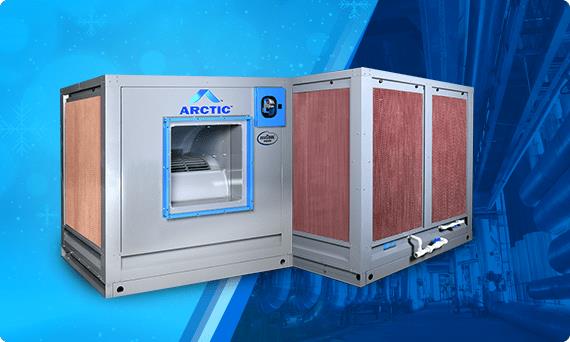
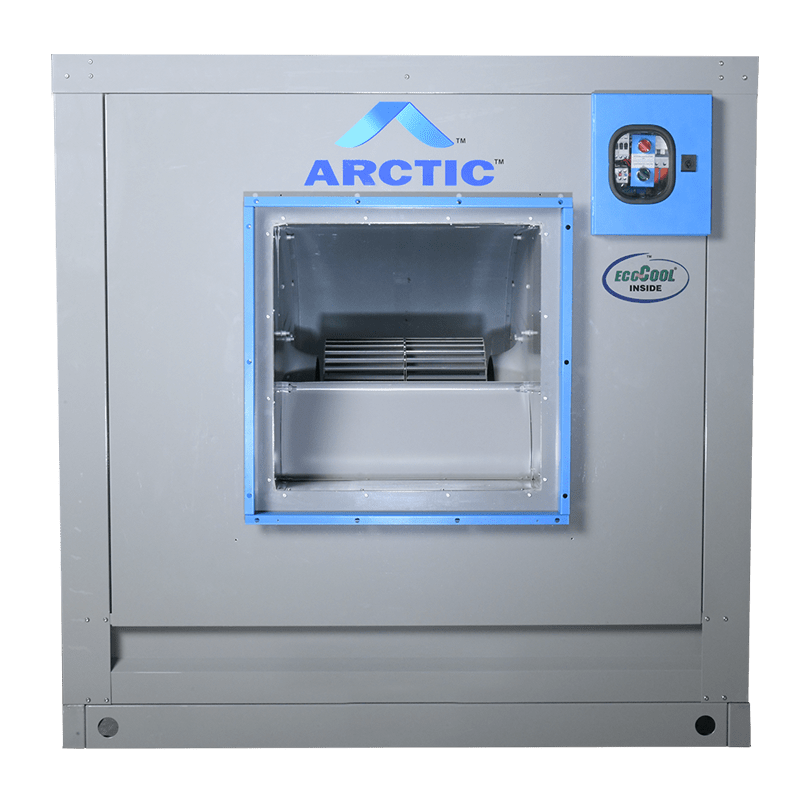
This is where industrial air coolers for large spaces offer a practical advantage. By delivering consistent airflow across wide areas, they help improve ventilation and support more comfortable indoor conditions during peak heat periods. Their ability to cover large spaces efficiently makes them particularly suitable for schools and universities managing high occupancy levels.

Solutions such as Arctic air coolers are increasingly being adopted in educational environments where maintaining comfort without excessive energy consumption is a priority. Their application in large spaces allows institutions to improve learning conditions while staying aligned with operational and sustainability considerations.
Creating Future-Ready Learning Environments
As climate patterns continue to evolve, the expectations from educational infrastructure must also change. Thermal comfort can no longer be treated as an afterthought—it is central to student well-being and academic success.
Future-ready classrooms must be capable of maintaining stable indoor conditions even during extreme weather events. They must support uninterrupted learning while minimizing strain on energy resources. Most importantly, they must be adaptable—capable of serving diverse spaces, occupancy levels, and climatic conditions.
Conclusion: Cooling Is Now a Core Educational Strategy
Heatwaves are no longer a distant concern—they are actively shaping the present and future of education. Institutions that proactively invest in classroom cooling solutions for heatwaves will be better positioned to protect student health, sustain academic performance, and ensure equitable learning environments.
Because ultimately, a classroom that enables comfort also enables concentration—and that is the foundation of meaningful education.
Frequently Asked Questions
1. What is the best cooling solution for classrooms during heatwaves?
Commercial evaporative coolers and large-space air-cooling systems can help support better airflow, ventilation, and thermal comfort in classrooms during heatwaves.
2. How does heat affect student learning?
High temperatures reduce concentration, slow cognitive processing, and increase fatigue, leading to lower academic performance and engagement.
3. Are evaporative coolers suitable for schools and universities?
Yes, evaporative coolers are well-suited for educational institutions, especially large spaces, due to their ability to provide efficient cooling with lower energy consumption.
4. How can schools and colleges reduce heat stress without high energy costs?
Schools and colleges can improve ventilation and adopt commercial evaporative cooling systems to maintain comfortable indoor environments without significantly increasing energy consumption.